
SpaceX Big League
Serious progress requires serious change

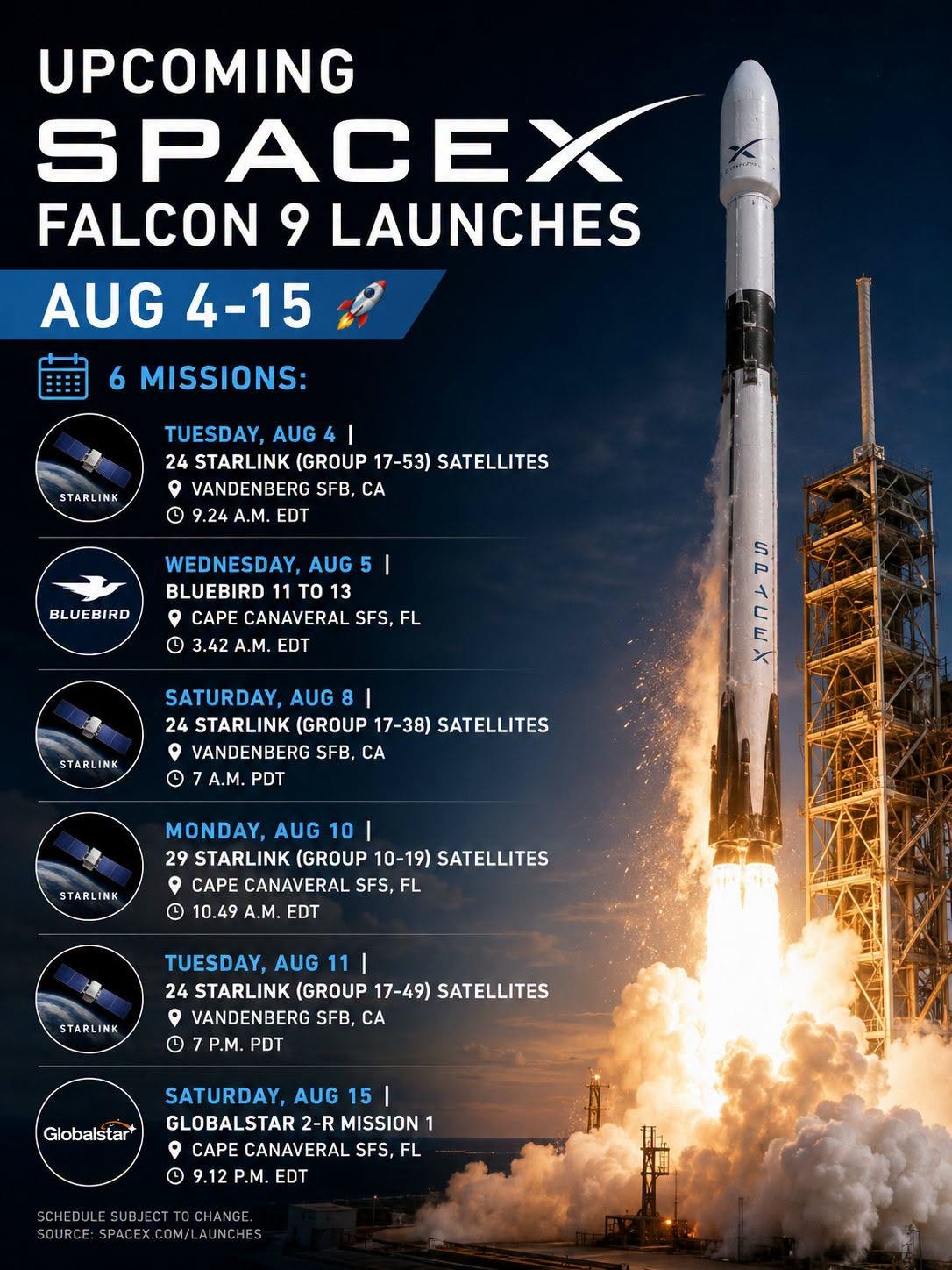
SpaceX launch 90% of the world’s payloads and has developed a reusable Super Heavy Lift (SHL) launch vehicle, putting them in a different league. These super league teams are run by governments, and consist of big players with something substantial to contribute. In this rarefied atmosphere rules change and become almost unrecognizable, because these governments make the rules.
No Rules
“Physics is the law, everything else is a recommendation.” ~ Elon Musk
Governments make rules to make it easier to govern, so treat them like guidelines when applied to themselves. For example: -
Security agents are illegal in foreign countries, yet the CIA employ thousands of operatives.
The California Coastal Commission ruled SpaceX was restricted to 36 launches per year from Vandenberg; but the Pentagon ignored them and increased the launch limit to 100.
It is illegal to restrict movement through international waterways, like the Strait of Hormuz, until push comes to shove...
SpaceX has now entered this twilight zone where rules are subjective, as they have made themselves indispensable to the US government.
Get out of Jail
“The FAA space division has a fundamentally broken regulatory structure. Their rules are meant for a handful of expendable launches per year from a few government facilities. Under those rules, humanity will never get to Mars.” ~ Elon Musk/X
Since inception SpaceX was bound hand and foot by regulations, but has now found a way to escape because they have a seat at the table.
“The Trump administration on Tuesday proposed a rule allowing the FAA to waive environmental regulations under 13 federal laws to speed up commercial space launch approvals. Transportation Secretary Sean Duffy framed the move as essential to re-establishing U.S. dominance in space, citing a projected surge from a record 205 authorized operations in fiscal 2025 to as many as 4,288 over the next decade.” ~ Biggo Finance
While this rule change affects the entire launch industry, SpaceX will benefit most because of their launch dominance. Ultimately restricting certain areas to launch operations should preserve the coastal environment, instead of developing them into high density housing. Certainly the environment benefited from the closed nature of Cape Canaveral, particularly the Merritt Island National Wildlife Refuge.
Why SpaceX
NASA relies on SpaceX to access the International Space Station (ISS), launch science missions and land astronauts on the Moon ahead of China. However, the US Space Force will have twice as many Starship Orbital Launch Mounts (OLMs) at LC-37, compared to NASA at LC-39A. All told Space Force has myriad uses for this giant spacecraft which can operate in cislunar space, the new Area of Operation (AO) with China. Last but not least, low cost SHL will supercharge commercial space and the US economy, sending it to new heights.
“We continued to accelerate R&D investments in our Starship program, which we believe will reduce the cost to orbit by 99% or more relative to the historical average, and unlock significant revenue potential across all business segments.” ~ SpaceX Q2 Report
March of AI
SpaceX will start to deploy Starmind AI satellites in 2028 to avoid local planning permission and energy supply bottlenecks. However, they intend to build an additional 8GW of terrestrial compute over the next 2 years and recently purchased APR Energy to supply onsite power to supplement the grid. Currently SpaceX make $30.72bn p.a. from their AI business, mainly through leasing some of their 1.4GW of compute to Anthropic, Google and Reflection AI, which suggests their AI revenue should soon exceed $368bn p.a. due to the relentless demand for computer intelligence. Recently Amazon Web Services reached $148bn p.a. revenue, following a 37% surge in Q2. Currently the demand for compute completely outstrips supply, resulting in enormous margins, so longterm the business is worth trillions.
“Our internal projection for reaching $1 trillion in revenue has moved up from 2031 to 2030; There’s a nonzero chance of that being in 2029.” ~ Elon Musk/Sawyer Merritt
Why Riches
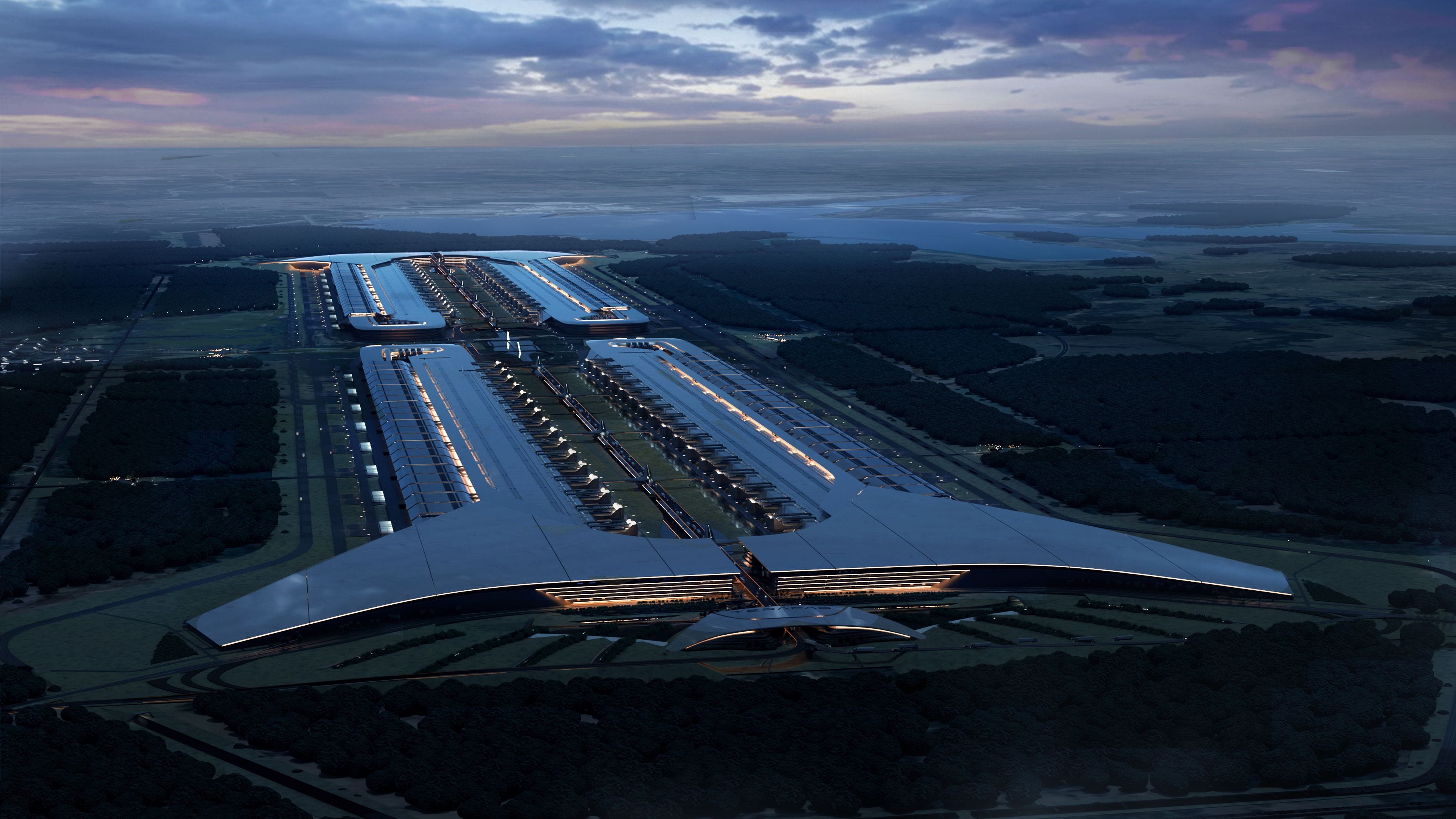
The original SpaceX mission was to colonize Mars, hence they constructed the Starlink constellation to provide the necessary internal funding. Then they added colonizing the Moon, which overall could cost trillions. Hence it makes sense for SpaceX to pursue the AI business due to its unrivaled returns. Deploying a million AI satellites in Earth orbit and a billion AI satellites around the Sun, will eventually become self funding, similar to Starlink. Of course SpaceX has plenty of applications for agentic AI, which promises an exponential increase in space development.
Why Now
“It’s no secret that we intend to launch Starship a lot, targeting thousands of flights per year. That cadence will require the ability to launch from many different locations, so we are constantly exploring to find viable sites to expand Starship operations in the future, both domestically and internationally.” ~ SpaceX/X
SpaceX is opening a new launch site in Louisiana, which could double their launch capacity for polar satellites. The Starmind constellation requires continuous solar power, hence will use a polar sun synchronous orbit. Considering the main competition is China, SpaceX need to launch asap to acquire the best orbital AI slots. Certainly China has little concern for the environment and big ambitions for AI.
In Conclusion
There’s no limit for humanity when it becomes multiplanetary. SpaceX are focused on the Moon and Mars, including steps to provide the necessary finance and remove regulatory hurdles. Realistically they have 2 years to build an unshakable foundation, before the next administration arrives with a new broom. By then their Louisiana launch city should be well underway, adding numerous OLMs for polar launches and Starmind. This will enable major advances for humanity, similar to the 60’s space race, driven by international competition.